


Infrastructure
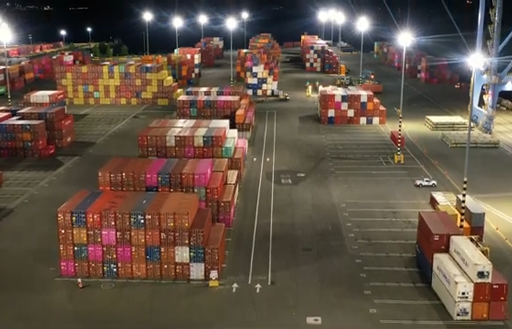
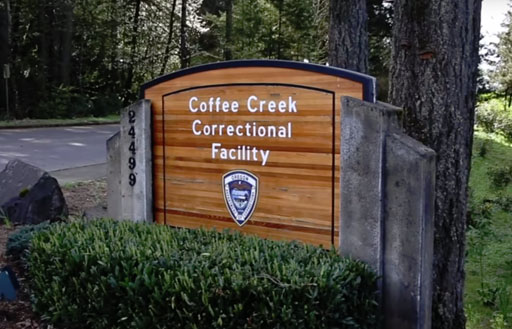
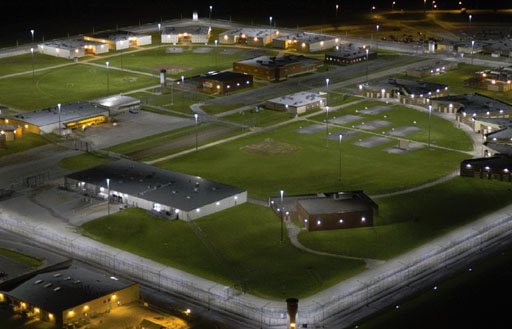
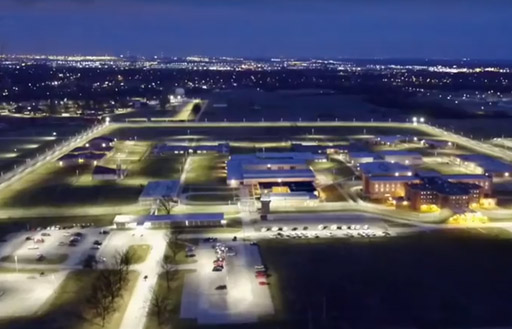
Case study on a Holophane LED lighting renovation at Wabash Valley Correctional Facility in Indiana.
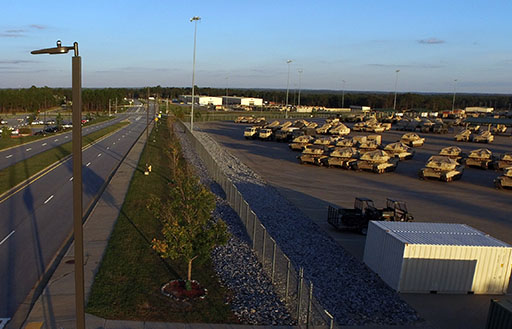
Case study video featuring a range of Holophane and AEL outdoor lighting solutions at the Fort Benning army base in Georgia.
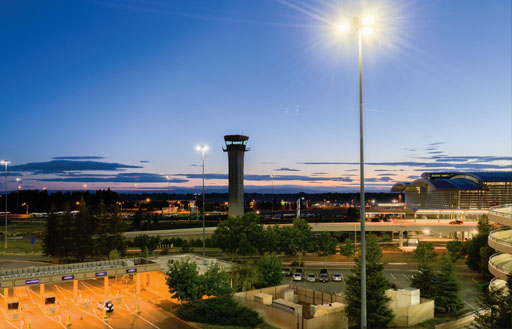
Case study explaining how Sacramento International Airport landed SMUD funding with the HMAO™ LED high mast lighting system.
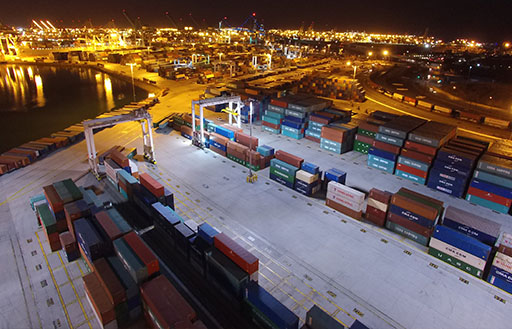
Case study video on how the Port of LA reduced operational costs and enhanced productivity and safety with HMAO™ LED high mast lighting.
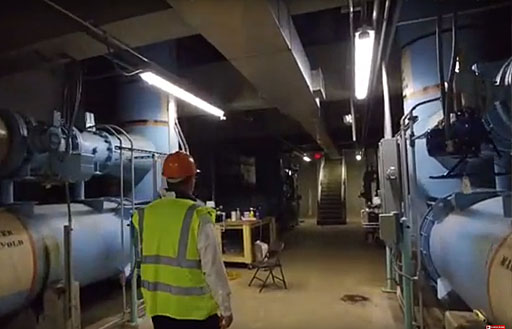
Case study video on how Ohio's Northeast Regional Sewer District upgraded it's facility with an LED lighting and controls renovation.
Roadway
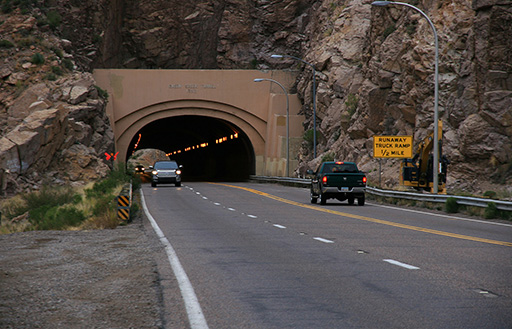
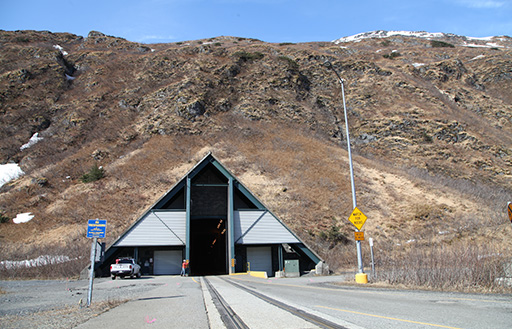
Case study on why the decision to replace the current HPS lights with Holophane's TunnelPass LED proved successful achieving significant energy and maintenance savings.
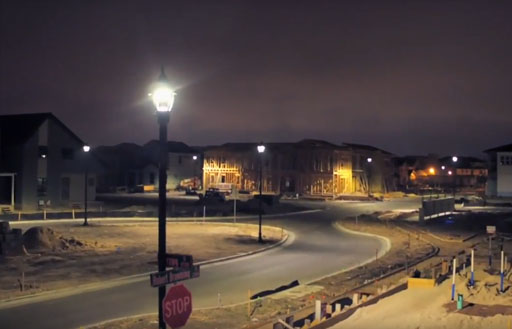
Learn how Austin Energy switched their outdoor lighting over to a smart LED network to save energy and reduce operating costs.
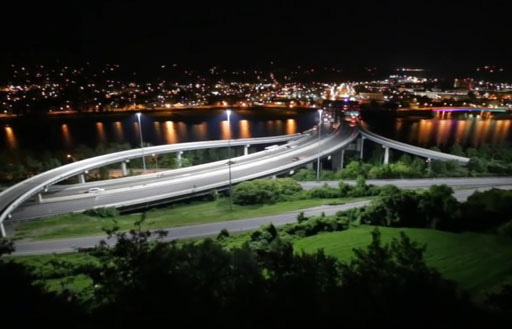
Learn how the Holophane HMAO™ LED high mast solution helped West Virginia to improve their roadway lighting.
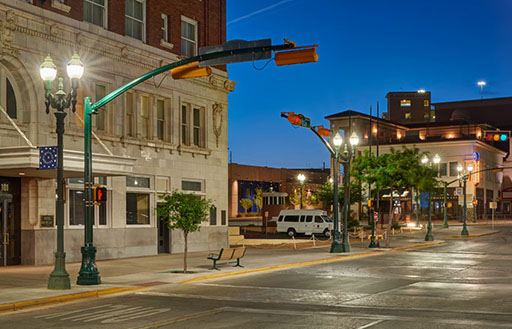
Engaging success story of an integrated lighting solution from Holophane, AEL and Acuity Controls ROAM in the city of El Paso, TX.
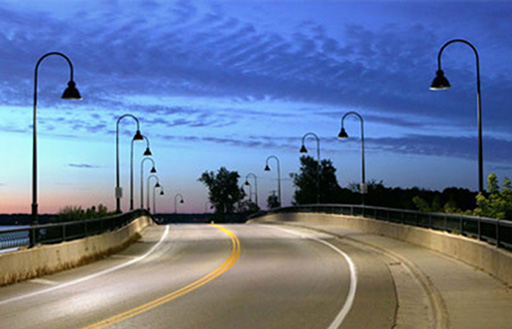
Case study on how Minnesota City installs Holophane LED luminaires to light bridge in Posh Lakeside community.
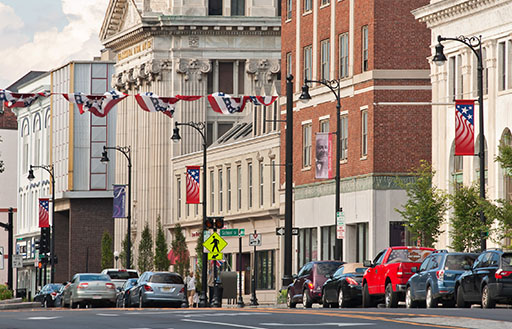
Learn why the city of Pittsfield, MA selected Holophane Tear Drop LED luminaires to revitalize their downtown area.
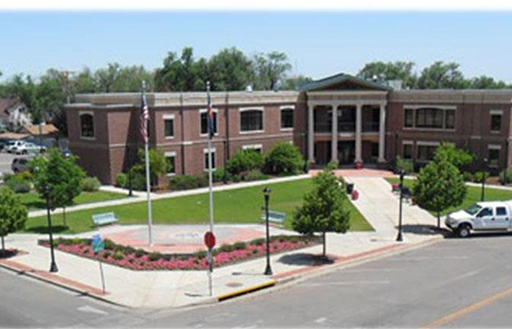
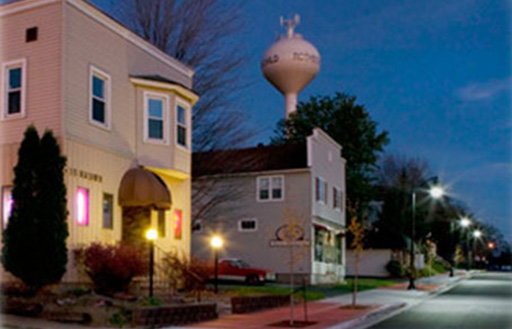
Case study of how the Village of Rothschild installed Holophane Tear Drop LED luminaires to bring traffic Downtown.
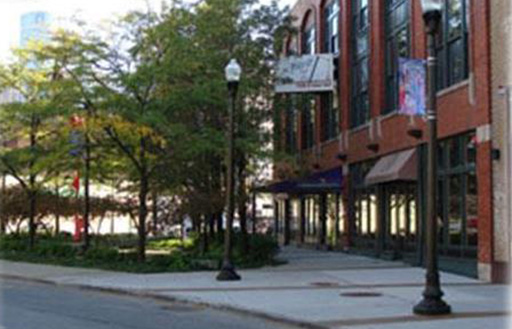
Case study on how Holophane GranVille LED luminaires were selected for Detroit Renovation Projects.
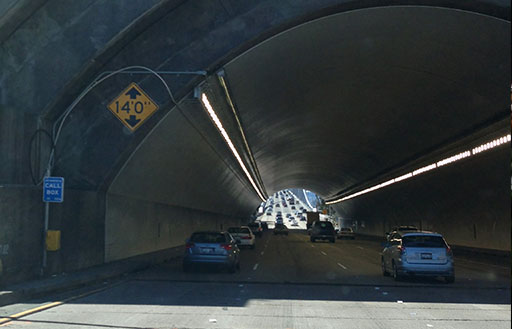
Case study featuring the Holophane TunnelPass LED™ luminaire used by Caltrans in the Bay Bridge Tunnel on I-80 at Yerba Buena Island.
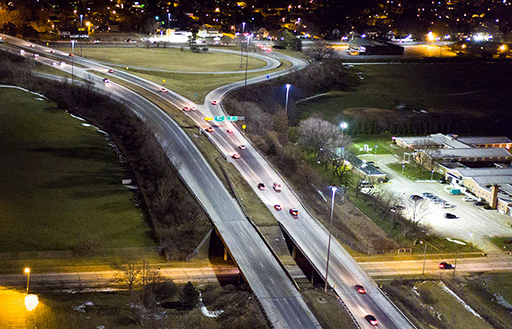
Learn how HMAO LED II luminaires allowed the city of Canton to improve driver safety while significantly reducing operating costs.
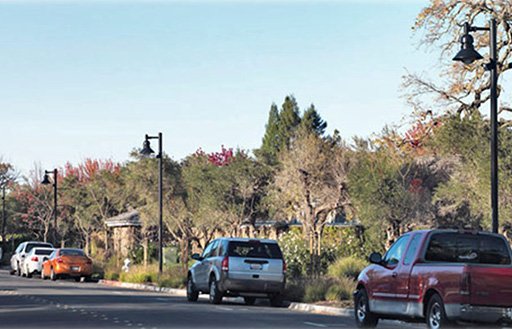
Industrial
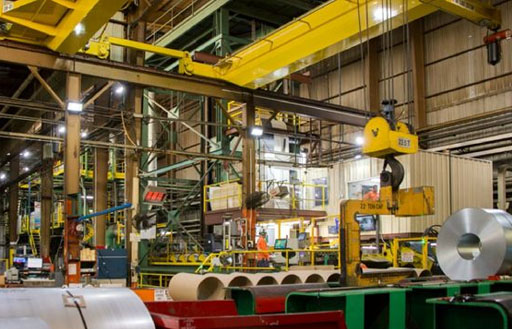
Case study featuring a range of Acuity Brands indoor and outdoor lighting & controls products in a Steelscape manufacturing facility.
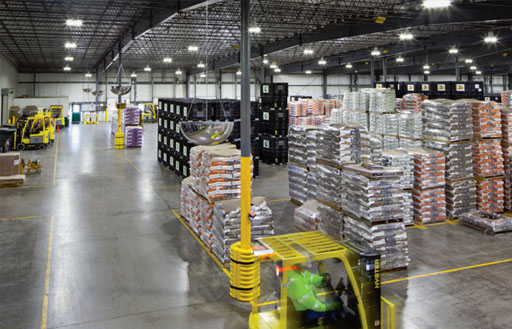
Case study featuring the Holophane Phuzion™ PHZ LED luminaire in the Monsanto food processing facility in Grinnell, Iowa.
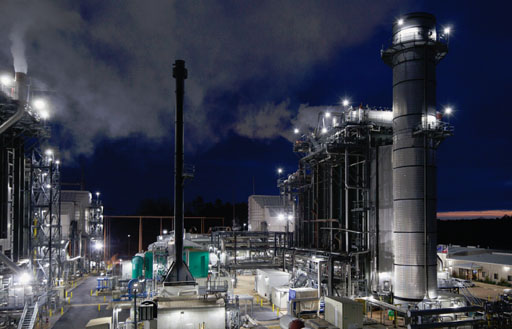
Case study featuring a range of Holophane solutions in the TVA Magnolia Power Plant in Ashland, Miss.
